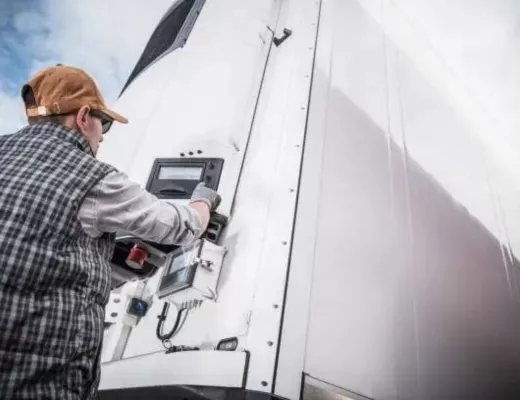

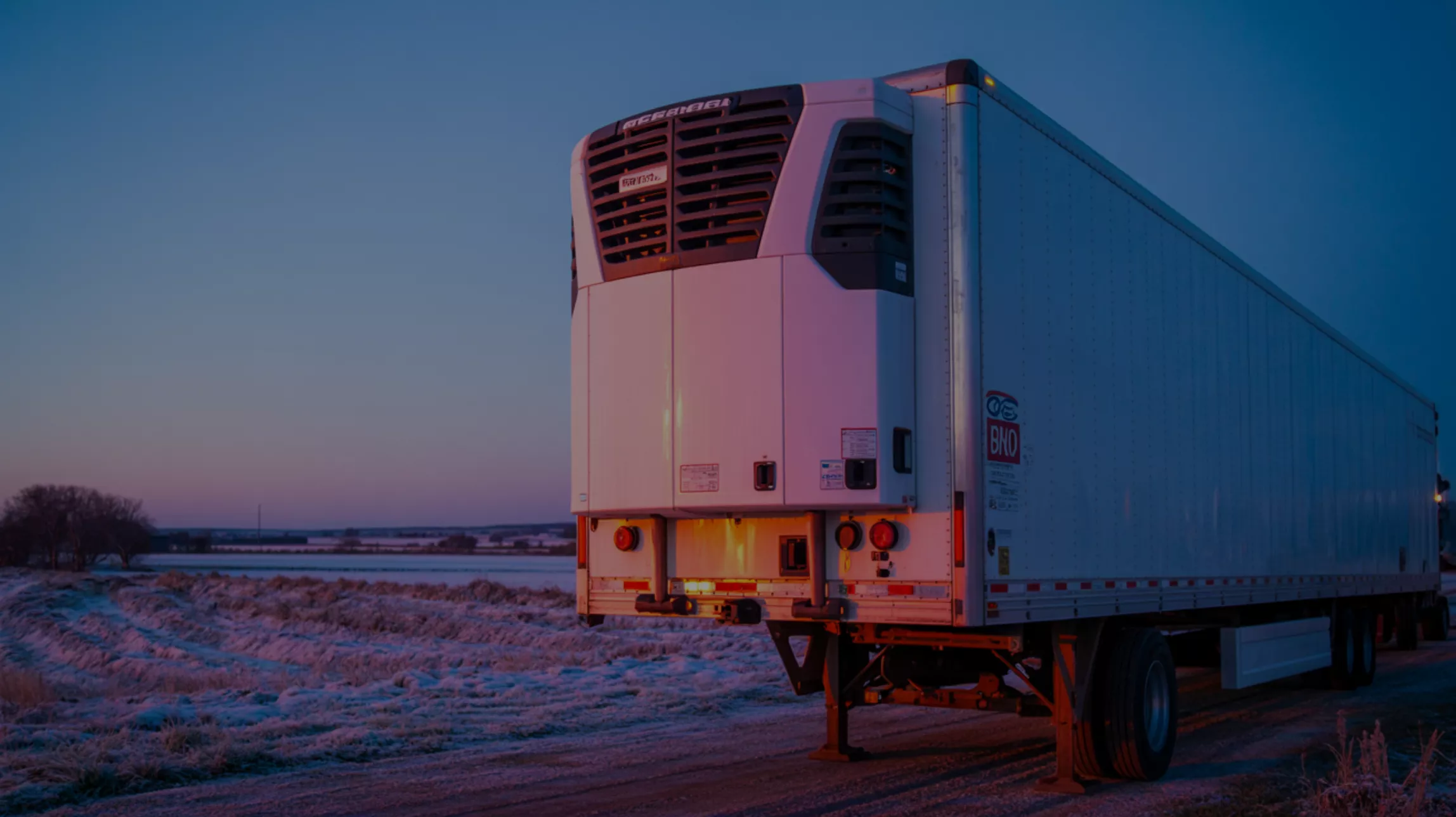

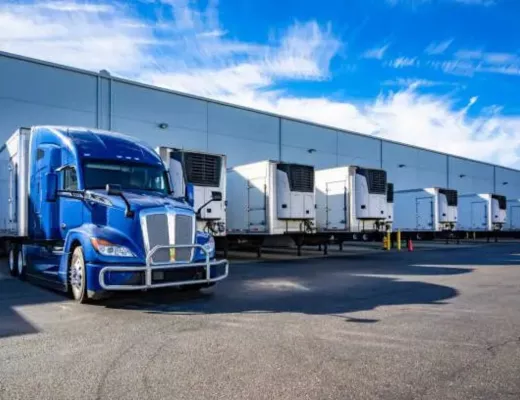
Refrigerated shipping (reefer trucking) uses temperature-controlled trailers equipped with refrigeration units to transport perishable and temperature-sensitive goods. Reefer trailers maintain precise temperatures ranging from -25°F to 70°F (-32°C to 21°C), protecting cargo from spoilage, degradation, or contamination during transit. These specialized trailers feature insulated walls, advanced cooling systems, and real-time temperature monitoring to ensure products arrive fresh and compliant with food safety and pharmaceutical regulations.
Reefer trailers maintain exact temperatures from -25°F to 70°F with advanced refrigeration units and insulated cargo areas. Real-time monitoring systems track temperature throughout transit, alerting drivers to any deviations. This precision prevents spoilage, preserves product quality, and ensures compliance with strict food safety and pharmaceutical regulations.

Temperature-controlled shipping dramatically reduces product loss from spoilage, degradation, or contamination. Maintaining proper cold chain conditions prevents bacterial growth in foods, preserves pharmaceutical efficacy, and protects product integrity—saving businesses from revenue loss, disposal costs, and potential liability from compromised goods.

Proper refrigeration extends the usable life of perishable products significantly. Fresh produce stays crisp longer, meats remain safe for consumption, dairy products maintain quality, and frozen goods preserve nutritional value. Extended shelf life reduces waste, increases distribution range, and allows businesses to reach distant markets.

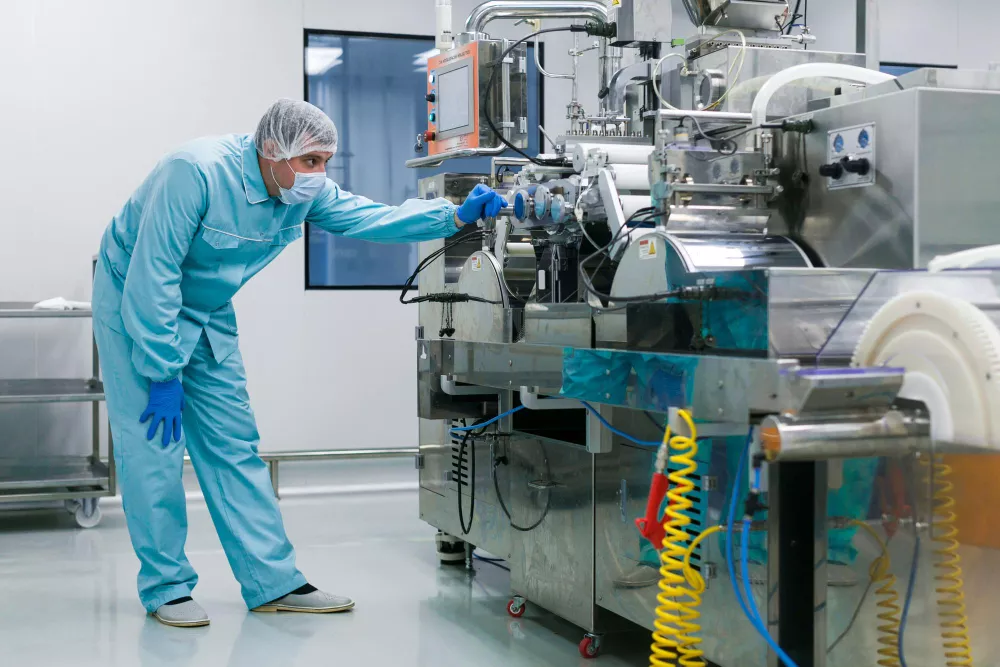
Reefer shipping meets FDA, USDA, HACCP, and industry-specific temperature standards required for food and pharmaceutical transport. Documented temperature logs, monitoring records, and compliant handling procedures protect businesses from regulatory violations, product recalls, and liability while ensuring consumer safety.
Ice cream, frozen meals, frozen seafood, frozen meat, long-term pharmaceutical storage
Prevents bacterial growth, preserves texture and nutritional value, extends storage life for months
Frozen food manufacturers, ice cream distributors, long-term pharmaceutical storage
Frozen vegetables, frozen poultry, frozen bakery goods, frozen juice concentrate
Maintains product quality without freezer burn, standard frozen food transport temperature
Food service, grocery retail, food processing, restaurant supply
Fresh produce, dairy products, fresh meat, eggs, beverages, cut flowers
Slows bacterial growth, maintains freshness without freezing, preserves texture and flavor
Produce distributors, dairy farms, fresh meat suppliers, floral industry
Certain fruits (bananas, tomatoes), chocolates, wine, some pharmaceuticals
Prevents cold damage to sensitive products, maintains optimal ripening conditions
Specialty foods, beverage distribution, pharmaceutical transport
Vaccines, biologicals, blood products, sensitive medications, laboratory specimens
Critical temperature range for pharmaceutical efficacy and safety compliance
Healthcare, pharmaceuticals, medical laboratories, biotech
Contact us with shipment details, origin, destination, and timeline.
We connect you with vetted carriers with the right equipment.
Choose guaranteed pickup time that works with your schedule.
Monitor your freight in real-time as it travels to destination.
Receive shipment at scheduled delivery with full documentation.
Fill out the form below for a fast, competitive freight quote
Our team will review your shipment details and contact you within 2 business hours with a competitive quote.
We will be in touch shortly.
Refrigerated shipping uses temperature-controlled trailers with refrigeration units to transport perishable and temperature-sensitive goods. Reefer trailers maintain precise temperatures from -25°F to 70°F, protecting cargo from spoilage while ensuring food safety and pharmaceutical compliance.
Reefer trailers typically maintain temperatures from -25°F to 70°F (-32°C to 21°C). Standard ranges include deep frozen (-13°F to -25°F), frozen (0°F to -10°F), chilled (32°F to 55°F), and cool (55°F to 65°F). Specialized units can reach -85°F for medical applications.
Perishable foods (produce, dairy, meat, seafood), frozen goods, pharmaceuticals and vaccines, biologicals, fresh flowers, chocolates, wine, temperature-sensitive chemicals, and any products requiring cold chain integrity to prevent spoilage or degradation.
Reefer trailers use real-time temperature monitoring systems with sensors throughout the cargo area. Systems continuously log temperature data, alert drivers to deviations, and provide documentation for regulatory compliance and quality assurance.
Yes, reefer shipping costs 20-40% more than standard dry van due to specialized equipment, fuel for refrigeration units, maintenance, and compliance requirements. However, the investment prevents product loss from spoilage, which far exceeds transportation costs.
Yes! Multi-temperature reefer trailers feature dividers creating separate climate zones within a single trailer. This allows simultaneous transport of frozen, chilled, and ambient products in one shipment, maximizing efficiency for diverse product lines.
Drivers receive immediate alerts from monitoring systems. They can adjust settings, troubleshoot issues, or transfer cargo to backup reefer units if needed. Temperature logs document any deviations. Most carriers have contingency plans and emergency protocols.
Yes. Refrigerated transport of food requires HACCP compliance and FDA regulations. Pharmaceuticals must meet specific cold chain standards. Carriers provide temperature logs, loading/unloading documentation, and compliance certificates as proof of proper handling.
Fill out the form below for a fast, competitive freight quote
Our team will review your shipment details and contact you within 2 business hours.
We will be in touch shortly.