


Let's get you where you need to go
Cost-Effective LTL Freight Solutions

Less Than Truckload
Shipping Services

0+

LTL Shipments Completed

0+

Years Experience

0+

Carriers Vetted

0+

Experts Dedicated

What is Less Than Truckload (LTL) Shipping?

Less Than Truckload (LTL) shipping consolidates freight from multiple shippers into a single truck, allowing businesses to share transportation costs. LTL is designed for shipments that are too large for parcel delivery but too small to justify a full truck—typically weighing between 150 and 15,000 pounds and occupying 1-6 pallets. Your freight shares trailer space with other shipments traveling similar routes, making it a cost-effective solution for smaller loads."

With Goldnova Logistics, LTL shipping provides affordable freight solutions with reliable carrier networks, professional handling at terminals, and flexible pickup and delivery scheduling for businesses of all sizes.

When to Choose LTL Shipping?

Your shipment weighs between 150-15,000 pounds

You're shipping 1-6 pallets

Cost savings are your priority

Your delivery timeline is flexible -

You need regular regional shipments

Your freight is standardized and palletized

Key Benefits
of LTL Shipping

Significant Cost Savings

LTL shipping dramatically reduces freight costs by sharing truck space with other shippers. You pay only for the cubic feet or pallet positions your shipment occupies, not the entire trailer. For small to medium loads, LTL delivers 40-60% cost savings compared to booking a full truck you don't need.

No Minimum Volume Requirements

Ship as little as one pallet or 150 pounds without needing to fill an entire truck. LTL eliminates minimum load requirements, making it perfect for small businesses, seasonal shippers, or companies testing new markets without large freight commitments.

Flexible & Scalable Service

LTL adapts to your business needs—ship one pallet this week, six pallets next week. No need to wait until you accumulate enough freight for a full truck. Carriers offer regular pickup schedules and extensive terminal networks for consistent regional and national service.

Accessorial Services Available

LTL carriers provide value-added services including liftgate delivery (no loading dock required), inside pickup/delivery, residential delivery, appointment scheduling, and freeze protection—giving you flexibility for diverse delivery requirements.
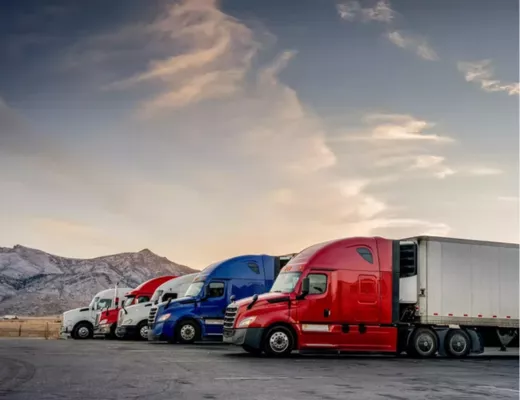
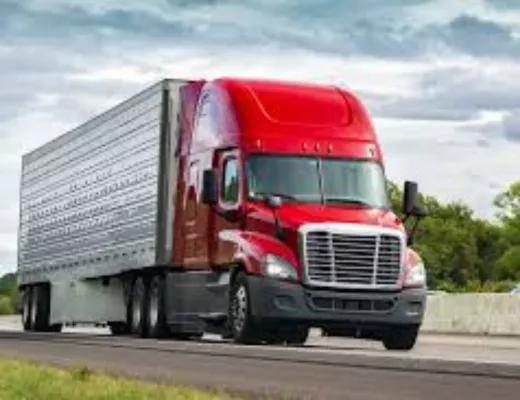
KEY BENEFITS OF LTL SHIPPING and FREIGHT CLASSES

Every LTL shipment is assigned a freight class (50-500) by the National Motor Freight Classification (NMFC) system. Your freight class directly affects your shipping cost and is determined by four factors: density, stowability, handling, and liability.

01

Density (Weight per Cubic Foot)

What it is:

Weight divided by cubic feet

Why it matters:

Denser freight (like bricks, steel) costs less to ship than low-density items (furniture, pillows)

Example:

1,000 lbs in 50 cubic feet = 20 lbs/cubic foot = Class 85

02

Stowability

What it is:

How easily freight fits with other shipments

Why it matters:

Odd shapes, hazardous materials, or items requiring special placement increase class

Example:

Standard pallets stack easily; large machinery requires dedicated space

03

Handling

What it is:

Difficulty loading, unloading, and moving freight

Why it matters:

Fragile, oversized, or awkwardly shaped items need special care

Example:

Palletized boxes (easy) vs. loose items or heavy machinery (difficult)

04

Liability

What it is:

Risk of theft, damage, or spoilage

Why it matters:

High-value or fragile items carry more liability for carriers

Example:

Electronics have higher class than durable goods like metal parts

Class Density (lbs/cu ft) Examples
50 50+ Bricks, cement, hardwood flooring, nuts/bolts
55 35-50 Bricks on pallets, cement products
60 30-35 Car parts, bottled beverages
65 22.5-30 Automotive parts, bottled drinks in crates
70 15-22.5 Car accessories, food items, automobile engines
77.5 13.5-15 Tires, bathroom fixtures
85 12-13.5 Crated machinery, cast iron stoves
92.5 10.5-12 Computers, monitors, refrigerators
100 9-10.5 Boat covers, car covers, canvas products
110 8-9 Cabinet doors, framed artwork
125 7-8 Small household appliances
150 6-7 Auto sheet metal parts
175 5-6 Clothing, couches, stuffed furniture
200 4-5 Auto sheet metal parts, aircraft parts
250 3-4 Bamboo furniture, mattresses
300 2-3 Wood cabinets, tables, chairs
400 1-2 Deer antlers
500 <1 Bags of gold dust, ping pong balls

Source: NMFC Classification System

Our LTL Shipping Process

01

Request a Quote

Contact us with shipment details, origin, destination, and timeline.

02

Get Matched

We connect you with vetted carriers with the right equipment.

03

Schedule Pickup

Choose guaranteed pickup time that works with your schedule.

04

Track Shipment

Monitor your freight in real-time as it travels to destination.

05

Delivery Confirmed

Receive shipment at scheduled delivery with full documentation.

Ship Smart, Save More Get Your Free Quote

Request a Freight Quote

Fill out the form below for a fast, competitive freight quote

1
From
2
To
3
Details
4
Contact
Shipping From
Required
Required
Required
Required
Shipping To
Required
Required
Required
Shipment Information
Required
Required
Required
Required
Required
Required
Required
Required
Your Information
Required
Valid phone required
Required
Required
Valid email required

Quote Request Received

Our team will review your shipment details and contact you within 2 business hours with a competitive quote.

We will be in touch shortly.

Frequently Asked Questions

LTL shipping consolidates freight from multiple shippers into a single truck. You pay only for the trailer space your shipment occupies (typically 1-6 pallets or 150-15,000 pounds), sharing transportation costs with other businesses shipping similar routes.

LTL pricing depends on freight class, weight, dimensions, distance, and accessorial services. Generally, denser freight (higher weight per cubic foot) costs less. LTL offers 40-60% savings compared to booking a full truck for small loads.

Freight class (50-500) is an industry classification system that determines LTL shipping costs. It's based on your freight's density, stowability, handling difficulty, and liability. Higher class numbers = higher cost. Accurate classification ensures correct pricing.

LTL transit times range from 2-7 days depending on distance and number of terminal transfers. Regional shipments (under 500 miles) typically deliver in 2-3 days, while cross-country moves take 5-7 days. LTL is slower than FTL due to consolidation stops.

LTL is designed for shipments weighing between 150 and 15,000 pounds. Loads under 150 lbs ship more cost-effectively via parcel services. Freight over 15,000 lbs (or 10+ pallets) typically warrants full truckload shipping for better rates and faster transit.

Yes! Most LTL carriers provide tracking through PRO numbers (shipment IDs). You can monitor pickup confirmation, terminal arrivals, and delivery status. We provide tracking updates and delivery notifications throughout transit.

LTL carriers offer liftgate service (no dock required), inside pickup/delivery, residential delivery, appointment scheduling, limited access fees, freeze protection, trade show delivery, and notify before delivery services.

Carriers provide basic liability coverage (typically $0.10-$0.50 per pound), but this rarely covers full cargo value. We strongly recommend purchasing additional freight insurance for declared value protection, especially for high-value or fragile goods.

Request a Freight Quote

Fill out the form below for a fast, competitive freight quote

1
From
2
To
3
Details
4
Contact
Shipping From
Required
Required
Required
Required
Shipping To
Required
Required
Required
Shipment Information
Required
Required
Required
Required
Required
Required
Required
Required
Your Information
Required
Required
Required
Required
Valid email required

Quote Request Received

Our team will review your shipment details and contact you within 2 business hours.

We will be in touch shortly.