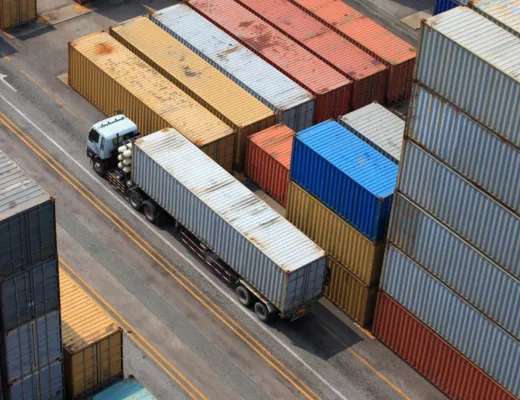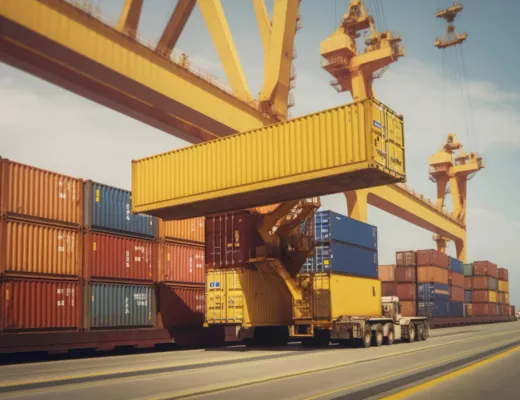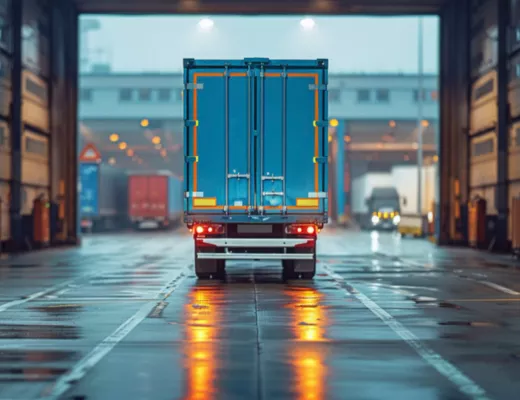

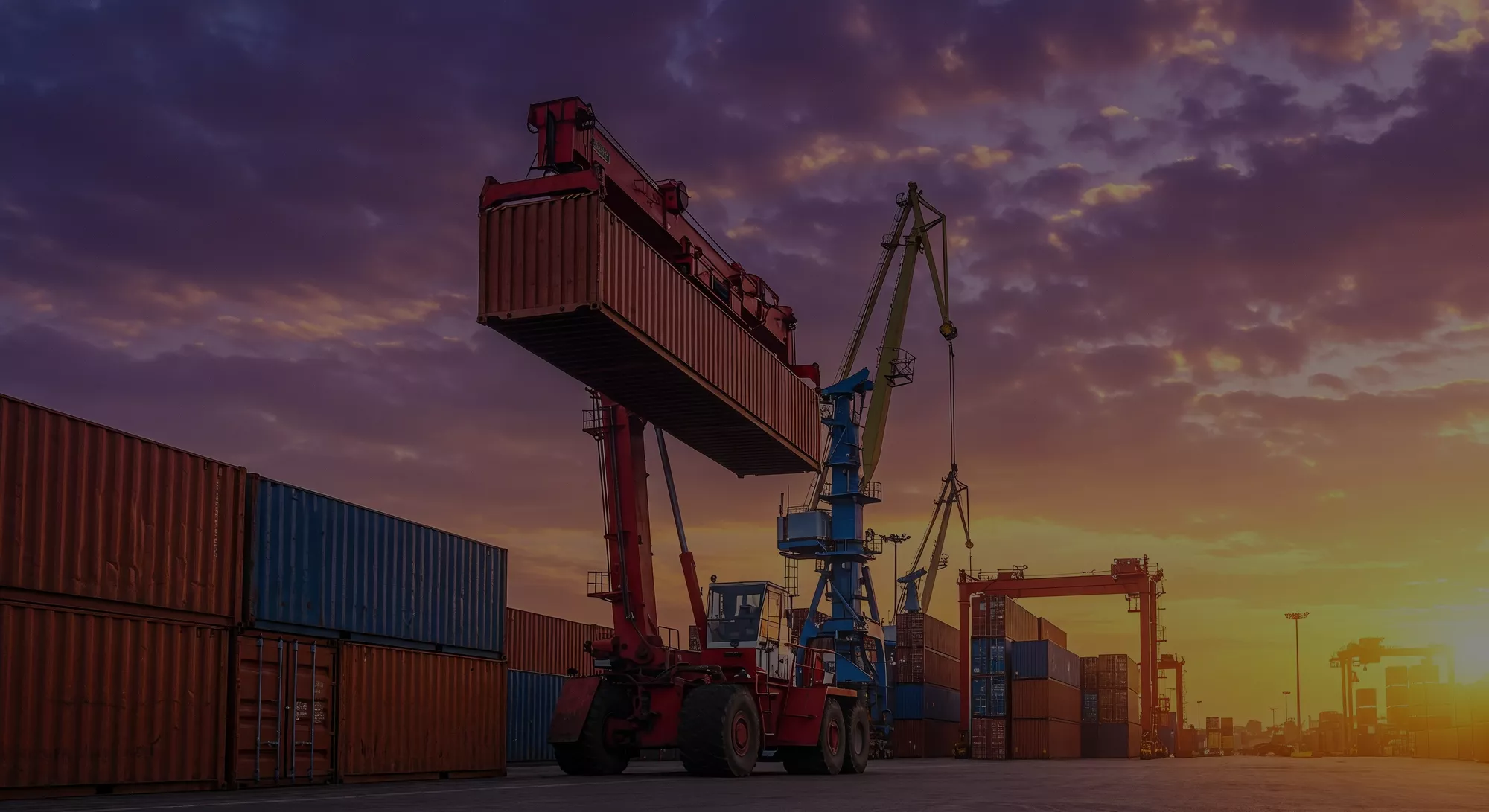

Drayage is short-haul trucking that moves shipping containers over short distances—typically from seaports or rail terminals to nearby warehouses, distribution centers, or intermodal facilities. This critical first-mile and last-mile service connects ocean freight with inland transportation, ensuring containers keep moving once unloaded from vessels. Drayage trips usually cover 0-50 miles and represent the bridge between international shipping and domestic distribution networks.
Ports and terminals charge demurrage fees for containers sitting beyond free time (typically 3-7 days). Detention fees apply when you hold carrier equipment beyond allowed time. Timely drayage pickup prevents these daily charges (often $75-$300 per container per day) from accumulating, protecting your profit margins and keeping supply chains moving.
Drayage bridges ocean shipping, rail transport, and trucking networks without cargo handling. Containers move directly from port to rail yard for long-haul transport or from rail to warehouse for final delivery. This intermodal connectivity optimizes transit times and reduces handling costs compared to breaking bulk and reloading.
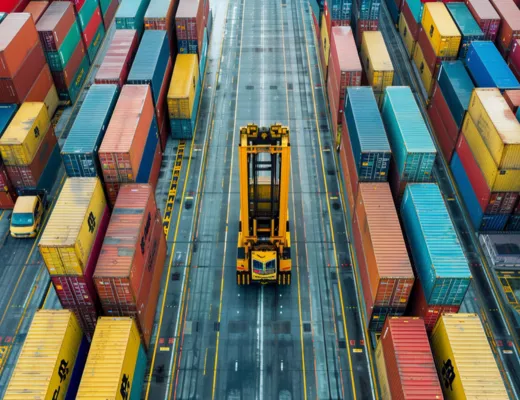
Quick container removal from terminals alleviates port congestion and keeps cargo flowing. Shorter dwell times mean faster customs clearance, quicker access to inventory, and improved supply chain velocity. Efficient drayage operations help ports maintain throughput capacity during peak seasons.

Drayage provides door-to-door container delivery from supplier facilities to ports (export) or from ports directly to customer locations (import). Specialized services include expedited same-day pickup, shuttle drayage for space-constrained terminals, cross-docking, and transloading for mixed cargo consolidation.
Most common type—moves containers from seaports to nearby warehouses or distribution centers
Typically 0-50 miles from marine terminals
Import cargo arriving by ocean freight needing warehouse delivery
Same-day or next-day pickup available
Transfers containers between transportation modes—port to rail yard or rail yard to warehouse
Short hauls connecting different carriers or transport methods
Coast-to-coast shipping combining ocean and rail transport
Coordinated with rail schedules for seamless handoffs
Temporary relocation of containers to off-site yards when ports run short on space
Port to overflow storage yards and back when space opens
Managing container overflow during peak congestion periods
As needed during port capacity constraints
Full-service transport from port directly to final consignee location or supplier to port for exports
Varies based on destination—can extend beyond typical drayage range
Eliminating intermediate stops and warehouse handling
Direct delivery to final destination
Same-day or priority pickup for time-critical cargo to avoid fees or meet urgent deadlines
Standard drayage range with prioritized scheduling
Preventing demurrage, rush orders, or late-arriving vessels
Same-day pickup and delivery available
Contact us with shipment details, origin, destination, and timeline.
We connect you with vetted carriers with the right equipment.
Choose guaranteed pickup time that works with your schedule.
Monitor your freight in real-time as it travels to destination.
Receive shipment at scheduled delivery with full documentation.
Fill out the form below for a fast, competitive freight quote
Our team will review your shipment details and contact you within 2 business hours with a competitive quote.
We will be in touch shortly.
Drayage is short-haul trucking that moves shipping containers from ports or rail terminals to nearby warehouses, distribution centers, or intermodal facilities. Typically covering 0-50 miles, drayage connects ocean freight with inland transportation networks.
Drayage rates range from $350-$600 for short hauls (0-50 miles) and $600-$900 for medium hauls (50-100 miles). Additional fees include demurrage ($75-$300/day), detention ($75-$200/day), chassis rental ($25-$75/day), and wait time charges.
Demurrage charges apply when containers remain at port terminals beyond free time (typically 3-7 days). Detention fees apply when you hold carrier equipment (container and chassis) beyond allowed time after pickup. Both fees range $75-$300 per day and accumulate quickly.
Standard drayage typically occurs 1-3 days after customs clearance. Expedited same-day pickup is available for time-critical cargo or to avoid demurrage fees. Transit time from port to warehouse averages 2-6 hours depending on distance and traffic.
Intermodal drayage transfers containers between different transportation modes without unloading cargo—such as port to rail yard or rail yard to warehouse. This service enables coast-to-coast shipping by combining ocean, rail, and trucking efficiently.
Not necessarily. Many drayage providers supply chassis as part of service, while others require you to arrange chassis rental separately. Chassis rental typically costs $25-$75 per day. Clarify chassis provision when booking drayage.
Demurrage fees begin accruing immediately after free time expires—typically $75-$300 per container per day. These fees compound quickly and significantly increase shipping costs. Timely drayage scheduling is critical to avoid unnecessary charges.
Yes! Door-to-door drayage delivers containers from port directly to your final destination, eliminating intermediate warehouse stops. This service is ideal when you have facilities to receive and unload containers yourself, streamlining your supply chain.
Fill out the form below for a fast, competitive freight quote
Our team will review your shipment details and contact you within 2 business hours.
We will be in touch shortly.